PS6 GPU Comparison: How It Stacks Up Against Previous Consoles
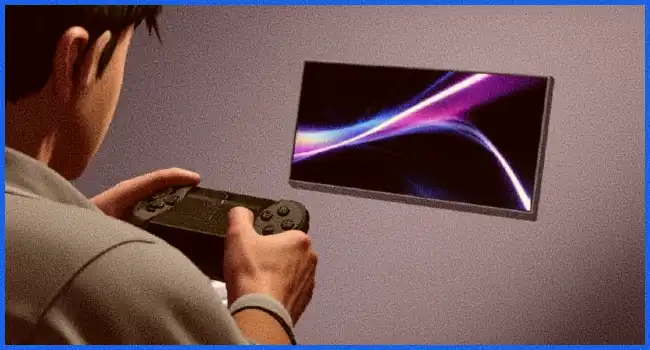
The PlayStation 6 promises major upgrades in gaming performance, and one of the most important components is its GPU. The GPU is what makes games look realistic, run smoothly, and support advanced features like ray tracing and high frame rates. Comparing the PS6 GPU to previous consoles helps gamers understand just how powerful this next-generation system will be.
PS6 GPU Overview
The PS6 is expected to feature the RDNA 5 GPU, a major upgrade over the PS5’s RDNA 2 GPU. This new GPU is designed to handle 8K gaming, 4K at 120fps, and smoother ray tracing. With enhanced AI for visuals and more processing power, it will make games look more realistic than ever before.
PS6 GPU vs PS5 GPU
Here’s how the PS6 GPU compares to the PS5:
- Architecture: PS6 uses RDNA 5, PS5 uses RDNA 2
- Performance: PS6 promises higher teraflop counts, allowing better graphics and faster rendering
- Ray Tracing: Smoother and more detailed in PS6
- AI Enhancements: PS6 supports advanced AI-driven visual improvements
- Resolution Support: PS6 can handle native 8K, PS5 is mostly 4K
These upgrades mean that games on PS6 will not only run faster but also look significantly better, with more detailed textures, realistic lighting, and smoother animation.
PS6 GPU vs Previous Generation Consoles
Comparing the PS6 GPU to older consoles like the PS4 and PS4 Pro highlights the leap in performance:
- PS4 GPU: 1.84 TFLOPs, no hardware ray tracing
- PS4 Pro GPU: 4.2 TFLOPs, limited 4K support
- PS5 GPU: 10.28 TFLOPs, RDNA 2, supports ray tracing
- PS6 GPU: Expected 14+ TFLOPs, RDNA 5, 8K support, enhanced AI and smoother ray tracing
The difference is clear: PS6 will offer a massive improvement in graphics and overall gaming experience compared to all previous PlayStation models.
Why the PS6 GPU Matters
The GPU directly affects gameplay quality. With PS6’s RDNA 5 GPU, gamers can expect:
- Ultra-realistic graphics with lifelike textures and lighting
- Faster frame rates for smoother gaming
- Better VR performance for more immersive experiences
- Future-proofing for upcoming games that demand high processing power
These improvements ensure that PS6 will not only handle current games but also next-generation titles with high demands.
Conclusion
The PS6 GPU, powered by RDNA 5, marks a huge leap from the PS5 and earlier consoles. With support for 8K gaming, smoother ray tracing, advanced AI, and ultra-fast performance, it will redefine what gamers expect from a console. This next-generation GPU promises a visual experience far beyond what any previous PlayStation system could deliver.